
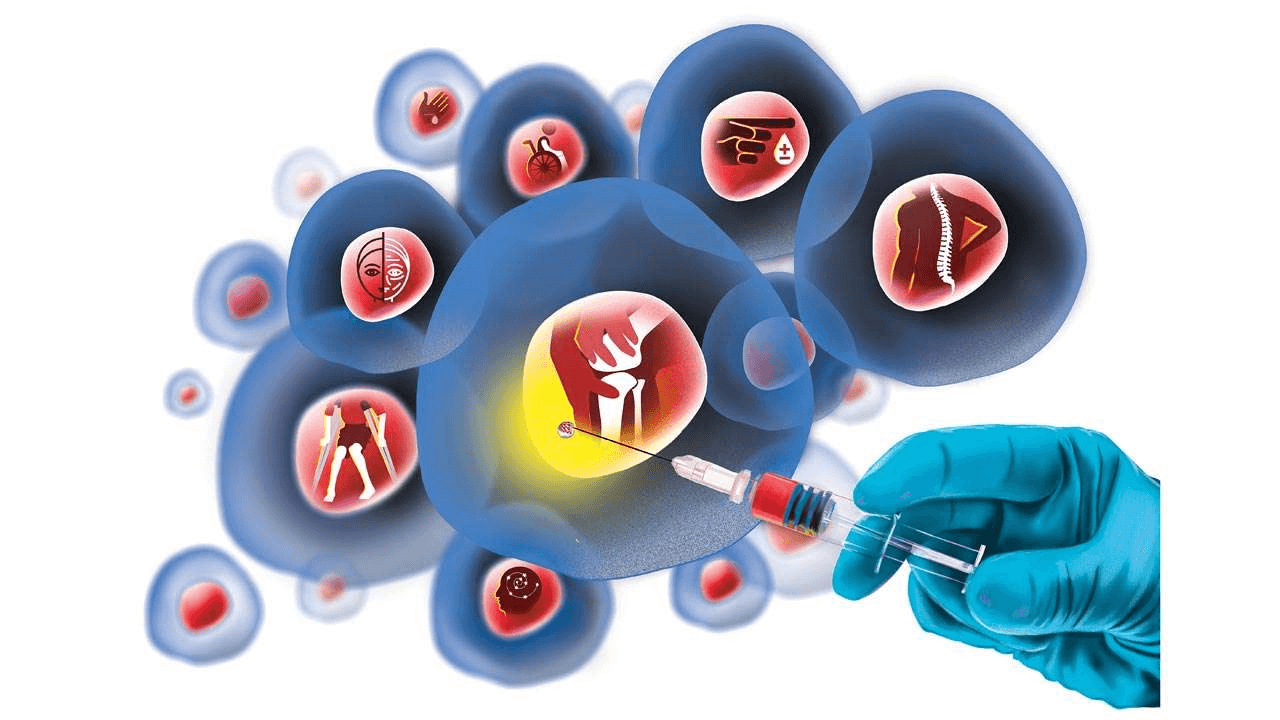
The approach to cosmetic care, anti-aging, and chronic pain management is changing. Stem cells’ healing and rejuvenating properties are quite powerful, and that’s exactly why we approach it with care.
At True Contour Medical, we see stem cells as part of a broader, more natural approach to regenerative medicine. And that progress is very real.
So where are we today with stem cell treatments? Stem cells are now being used for facial rejuvenation, sports injury recovery, and even hair growth. There’s also promising research exploring how they could one day help treat conditions like diabetes, paralysis, and cancer.
In this article, we’ll explore how stem cells are being used in beauty and medicine. We’ll see what treatments are already available, what’s still experimental, and why we take the hype so seriously.
What Are Stem Cells?
Stem cells are undifferentiated cells capable of developing into specialized ones. They can reproduce and transform into muscle, blood, cartilage, fat, skin, and even brain cells.
What do stem cells do? They repair tissue, heal wounds, and regenerate the body from within. Stem cells fill in gaps, correct, and rebuild as your body needs.
Every time you recover from an injury or your skin renews itself, stem cells are part of the process.
We can’t create stem cells from scratch, but we can use what the body already gives us. By extracting them from areas like fat tissue or bone marrow, we can reinject them into a different part of the body we want to treat.
That’s the basic principle behind stem cell therapies widely used today. One of the most important types are Mesenchymal Stem Cells (MSCs), which can develop into muscle, joint, skin, and other tissues. They’re central to regenerative medicine and modern anti-aging treatments.
Where Do Human Stem Cells Come From?
There are two main sources of human stem cells: autologous and allogeneic.
- Autologous stem cells come from your own body. In the U.S., these are the most commonly used and best tested for skin rejuvenation, tissue repair, and even certain medical conditions.
- Allogeneic stem cells come from a donor, such as another person’s body or placental tissue. While they’re being studied for complex illnesses, their use in beauty and skin care is limited because of compatibility factors and regulatory restrictions.
At True Contour Medical, we focus on autologous stem cell therapy because it’s generally very safe and Since we use your own cells — from bone marrow or fat — the risk of rejection or side effects is extremely low.
How Stem Cells Are Used in Medicine vs Beauty
In simple terms, stem cell therapy helps repair or replace cells that are damaged or not functioning properly. Most FDA-cleared uses today involve autologous stem cells for injury recovery, chronic pain management, and beauty.
But the potential doesn’t stop there. Researchers are exploring how stem cells might one day help regenerate tissue in conditions like paralysis, diabetes, heart conditions, and cancer. That’s the real big promise of regenerative medicine, still under research.
But now let’s focus on how stem cell therapy is already being used today: orthopedics, chronic pain management, and anti-aging treatments.
How does stem therapy work, today? We extract stem cells from areas like bone marrow or fat tissue, concentrate them, and reinject them where your body needs help regenerating or restoring balance.
Here’s how that works across different stem cell and regenerative medicine treatments:
Injury Recovery
One of the most common uses of stem cell therapy is for treating injuries such as strains, sprains, and tears. It helps reduce inflammation, supports the immune response, and can improve recovery times. In some cases, it may even help patients avoid surgery altogether.
The process is fairly simple. We extract about 8 cc to 10 cc of bone marrow, then process and reinject it into the area being treated. We may use it to help heal the knee, shoulder, elbow, tendons.
It’s easy to see why stem cells in sports medicine have become so popular. Treatments like these made headlines when athletes such as Bartolo Colón and Kobe Bryant used them to recover from elbow and knee injuries.
Today, stem cell therapy is widely used to help treat arthritis, ACL tears, knee sprains, rotator cuff injuries, tendonitis, and many other common orthopedic issues.
Facial Rejuvenation
You may have heard about the stem cell facelift. It’s a treatment where stem cells are injected into areas like the cheeks, jawline, or forehead to help the skin restore elasticity and volume. This may help reduce wrinkles, improve acne scarring, and bring back that healthy, youthful glow.
There are several ways to deliver stem cells for facial rejuvenation. They can be applied through injections, microneedling, or combined with other regenerative treatments such as PRP (Platelet-Rich Plasma) and PRF (Platelet-Rich Fibrin).
One of the most advanced options is the PRP facial, which combines growth factors with stem cells. It’s a 4-hour procedure where we draw a small amount of blood for PRP and perform a mini liposuction on the hip to harvest fat for stem cells. In some cases, patients notice improvements within just a couple of weeks.
Stem cell facelifts are becoming a natural alternative to traditional fillers like Botox. Rather than simply filling in lines, this regenerative medicine treatment is a natural way of helping the skin repair itself.
Some skincare products also feature plant-derived stem cells, which can help with brightening, hydration, and antioxidant protection. However, their effect is limited, and they don’t integrate into human tissue the way human stem cells do.
Hair Growth
Many patients ask about stem cell therapy for hair loss, and the truth is that these treatments are still in the experimental stage. Yes, there’s exciting research happening worldwide. But, as the American Hair Loss Association points out, the promise is encouraging yet remains unproven. The FDA has not cleared stem cell therapy for hair regrowth at this time.
That said, there are regenerative treatments that support hair health and growth. Hair follicles naturally contain bulge stem cells which can develop into matrix cells that drive hair growth. In the future, we may be able to use stem cells to regenerate existing hair or even rebuild individual follicles.
But when hair is completely gone, it means the follicle (and its bulge stem cells) are no longer present. For those cases, the only option is a hair transplant, at least for now.
For those who have not completely lost their hair, there are some more options available. As long as the follicle is alive, PRP can help stimulate it. Here’s how this treatment works:
We take a small blood sample. Then, we minimally process it to concentrate the platelets, and then reinject them into the scalp.
Those growth factors from PRP act like a wake-up call for your hair stem cells, signaling them to start regenerating and strengthening the existing hair.
How to Choose a Body Sculpting & Health Center
For patients doing their research and learning about stem cell treatments, here’s the key takeaway: it’s not just about what the treatment is, but who’s performing it.
Today, many med spas offer PRP, PRF, stem cells, and microneedling. And while some of those providers are skilled and responsible, it’s still important to check their credentials. Are the staff physicians, board-certified doctors, or licensed healthcare professionals? That’s always the first question to ask.
Medical clinics, on the other hand, are held to strict standards. Board-certified clinics follow clear protocols, from patient evaluation to treatment procedures and equipment use. That level of regulation helps ensure patient safety and consistent results.
There are four key things to look for when choosing a cosmetic or health provider for stem cell therapy:
- Certifications & Credentials: You need to know if your treatment is being performed by a real doctor. Someone who went to medical school and is board certified. The most relevant specialties include physicians, surgeons, anesthesiologists, orthopedists, and dermatologists.
- Relevant Experience: It’s also important to know how experienced the medical provider is and in what type of procedures. Ask about years of practice and how many procedures they’ve performed. Experience in orthopedic surgery, liposuction, medical wound care, or anti-aging therapies is a good sign.
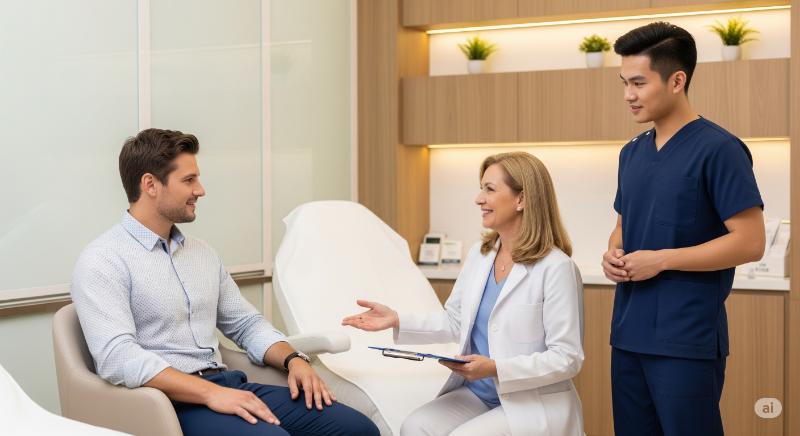
- Pre-Op Patient Guidance: Patients need to feel listened to from the very beginning. During the initial consultation, doctors should take time to understand your motivations and expectations. They should review your medical history and explain everything beforehand: risks, possible results, and each step of the procedure. Clear communication helps you make an informed decision.
- Comprehensive Aftercare: Your doctor should also be clear about follow-up care.Post-procedure consultations, downtime (if any), recovery steps, how many sessions might be needed, and any additional costs. T
If any of these four points are unclear or not convincing, it’s probably not the right provider for you.
As an anesthesiologist and pain management doctor, I became interested in stem cell therapy early on. It’s one of the main topics we discuss at medical congresses. We keep up with research, review results, and share experiences with colleagues from around the world.
After years of performing liposuction and fat transfer, I began exploring how autologous adipose stem cells could help patients heal and rejuvenate naturally. That’s how I brought body sculpting and regenerative medicine together at our clinic.
Over the years, I’ve treated hundreds of patients using bone marrow stem cells for chronic pain or injuries in the knee, shoulder, and other joints. Most have seen great results.
Still, I always stay careful and professional. Whether someone is a candidate for stem cell therapy depends on their expectations and medical history. For example, patients with a history of cancer, or those unlikely to benefit from the procedure, I often advise
What to Expect During & After Treatment
What can patients expect from stem cell therapy? Think of it as a progressive, natural way of helping the body heal: It does take time.
The truth is, nothing in medicine is ever 100%. In my experience, most patients I’ve worked with have seen real improvement. Still, there are cases where results are limited or slower to appear. That’s why a careful assessment before any procedure is so important.
Stem cells are powerful, and that’s exactly why we need to approach them with care. The science behind this therapy is developing fast, but we still need more large-scale, randomized studies to confirm what early results are showing.
Does that mean it’s unsafe? Not necessarily. Safety depends on who performs the procedure, the type of stem cells used, and your medical history. As I mentioned earlier, all of this should be clearly discussed with you before moving forward.
Get Trusted Answers About Stem Cells From A Certified Doctor
With board certifications, more than 20 years of experience, and a focus on patient care before, during, and after treatment . That’s what we stand for at True Contour Medical, Arizona’s trusted body sculpting and regenerative clinic.
Maybe you’re looking for a facial anti-aging treatment, hair restoration, or relief from chronic pain. There’s so much information out there about stem cells, and expert guidance that is the difference.
Here, we take time to listen, assess your goals, and explore safe, science-based options that fit your needs. So if your curiosity took you this far, it is time you schedule your consultation and let’s alk.
As I like to say, at True Contour we help patients create the body they want within the body they have.