
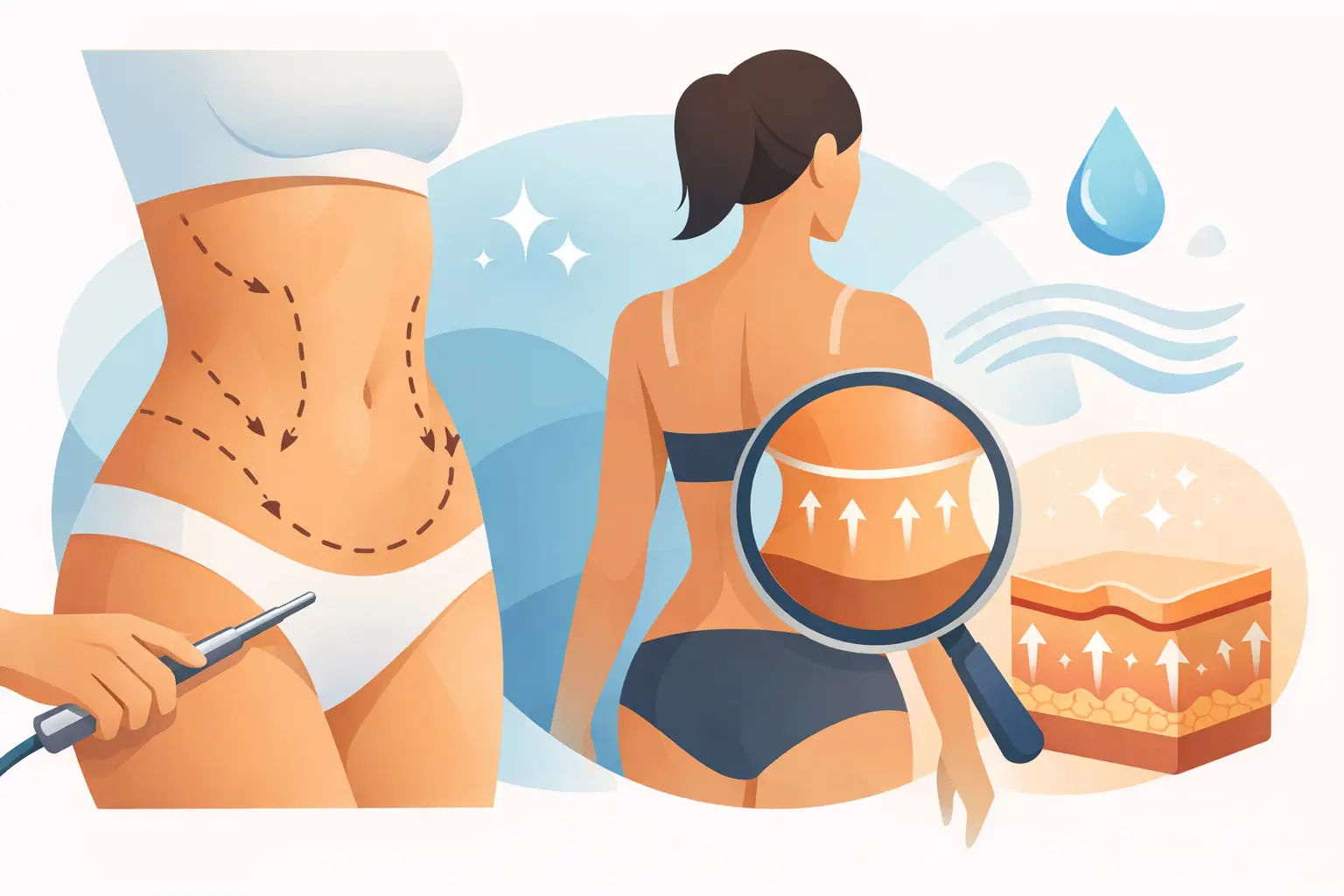
Loose skin is the part most patients worry about once the fat is gone. That makes sense. Skin tightening after liposuction can be the difference between a smaller area and a truly sculpted result. If you want sharper definition, smoother contours, and a result that actually matches your goals, skin quality matters just as much as fat removal.
Liposuction removes volume. It does not automatically guarantee that skin will contract the way you want. Some patients have enough natural elasticity to tighten well on their own. Others need added support from advanced technology or a more customized treatment plan. That is exactly why specialist experience matters.
Why skin tightening after liposuction varies so much
Two people can have liposuction in the same area and heal very differently. The biggest reason is skin elasticity. Younger skin usually rebounds more easily, but age is only part of the picture. Genetics, pregnancy history, major weight loss, sun damage, and the thickness of the skin in the treated area all affect how much contraction you can expect.
Treatment area also matters. The chin, arms, lower abdomen, bra roll, and inner thighs often raise more concern because these zones can show laxity more easily. A small amount of looseness may improve during healing, but moderate or severe laxity usually needs a more deliberate plan.
Technique matters too. Aggressive fat removal without respecting the quality of the overlying tissue can leave a patient smaller but not smoother. Precise body contouring is not about taking out the maximum amount of fat. It is about creating balanced contours while preserving the conditions for skin retraction.
What liposuction can and cannot do
Liposuction is excellent for removing stubborn fat and improving shape. It is not a skin excision procedure, and it is not a magic fix for significant laxity. That is where realistic planning becomes critical.
If your skin has mild looseness, liposuction alone may be enough, especially if the tissue still has good snap. If the skin already hangs, creases deeply, or has been stretched for a long time, fat removal by itself may reveal that looseness more clearly. In those cases, the right answer may be to combine procedures rather than hoping the skin catches up later.
This is one of the biggest reasons patients should avoid a one-size-fits-all approach. A provider who specializes in body contouring will look at the amount of fat, the quality of your skin, the area being treated, and your ideal outcome before recommending a plan.
Best options for skin tightening after liposuction
When patients ask about skin tightening after liposuction, they are usually asking one question: what will actually make me look tighter? The answer depends on how much laxity is present.
Natural skin contraction
Your body does some tightening on its own during the healing process. As swelling goes down and the tissues settle, the skin can gradually retract over several months. This works best when laxity is mild and the patient has solid baseline elasticity.
Compression garments support this process, but they do not create dramatic tightening by themselves. They help reduce swelling, support healing, and encourage smoother contouring. They are important, just not a substitute for true skin-tightening technology when that is needed.
Energy-based skin tightening
For patients who need more contraction than liposuction alone can provide, energy-based treatments can make a major difference. Internal technologies use heat beneath the skin to stimulate collagen remodeling and tissue contraction. This is often the best middle ground for patients who are not ideal candidates for liposuction alone but do not yet need skin excision.
Options such as Renuvion and fiber optic laser-based skin tightening are designed to address this exact concern. These treatments work under the skin, where the tightening effect can be more meaningful than surface-only approaches. In the right patient, they can help refine the final shape and improve firmness in areas that might otherwise heal with a softer or looser look.
Surgical skin removal
Sometimes the most effective answer is also the most direct one. If you have substantial excess skin, especially after pregnancy or major weight loss, surgery that removes skin may be the better solution. This can include procedures such as a tummy tuck, arm lift, or thigh lift.
That does not mean less advanced care. It means honest planning. The best treatment is the one that matches your anatomy and your goal, not the one that sounds easiest on paper.
Areas where tightening matters most
Some body areas are more forgiving than others. The upper abdomen and flanks often tighten better than the lower abdomen in patients with decent skin quality. The neck and jawline can look impressive with the right technology, but they also expose laxity quickly if the skin is already thin or loose.
The arms and inner thighs are common problem areas because the skin there tends to show texture and looseness more easily. The lower back and bra line can respond well when fat is reduced strategically and skin quality is still reasonably strong. Male chest contouring also requires careful planning because skin redraping is a major part of a clean result.
In other words, where you are treating matters almost as much as what you are treating.
How to know if you need liposuction alone or a combined approach
This is where consultation matters more than internet advice. If you pinch the area and the skin feels thick, resilient, and springy, you may be a better candidate for liposuction alone. If the skin looks crepey, hangs when the fat is reduced manually, or has visible stretch and folding, a combined approach is often smarter.
A specialist should assess how your tissue behaves in motion, not just at rest. Photos help, but hands-on evaluation tells more. The right plan should answer three questions clearly: how much fat needs to go, how much tightening is realistically possible, and whether technology or surgery should be combined to get there.
At a focused body contouring practice such as True Contour Medical, that level of planning is not an add-on. It is the standard.
What healing looks like when tightening is part of the plan
Most patients see shape changes early, then go through a frustrating middle phase where swelling makes results look uneven or softer than expected. That is normal. Skin contraction is slower than fat removal. It can continue for months as collagen remodels and tissue settles.
This is why patience matters. You may look smaller quickly, but tighter and more defined takes longer. Areas treated with skin-tightening technology often continue improving beyond the first phase of liposuction recovery.
Following post-procedure instructions makes a real difference. Wear your compression as directed, stay consistent with follow-up care, keep your weight stable, and give your body time to heal. None of that replaces good technique, but it supports the result you paid for.
The biggest mistake patients make
The biggest mistake is choosing a provider based only on price or the promise of fat removal. Body contouring is not just about suctioning fat. It is about predicting how the skin will behave after that fat is gone.
That prediction takes experience. It also takes access to the right technology and the judgment to know when not to use it. Some patients need VASER Liposuction or PAL for precision fat removal. Some benefit from pairing lipo with internal tightening. Some need to hear that a skin removal procedure will get them closer to their goal than liposuction ever could.
The best results come from a customized plan built around your tissue, your anatomy, and your standard for the outcome.
Choosing the right strategy for skin tightening after liposuction
If your goal is a tighter, more athletic, more polished shape, do not treat skin laxity like a side issue. It is central to the result. The right provider should be upfront about what liposuction can deliver on its own and where added tightening changes the game.
A smaller area is not always the same thing as a better contour. When your treatment plan respects both fat and skin, the result looks more refined, more natural, and more worth it.
If you are thinking about body contouring, ask the harder question first: not just how much fat can be removed, but how tight and smooth the area can realistically look after healing. That is where great planning turns a procedure into a transformation.