
If you want more volume but do not want an overdone look, the question usually comes down to fat transfer vs implants. That decision sounds simple until you start weighing shape, feel, scar placement, recovery, and how much change you actually want. The right answer is rarely the trendiest option. It is the one that fits your anatomy, your goals, and how natural or dramatic you want the final result to look.
For many patients, this is not just about adding size. It is about proportion. A fuller breast, rounder buttocks, or softer contour has to match the rest of your frame. That is why this conversation works best when it is led by a specialist who understands both volume enhancement and body sculpting, not a one-size-fits-all practice.
Fat transfer vs implants: the core difference
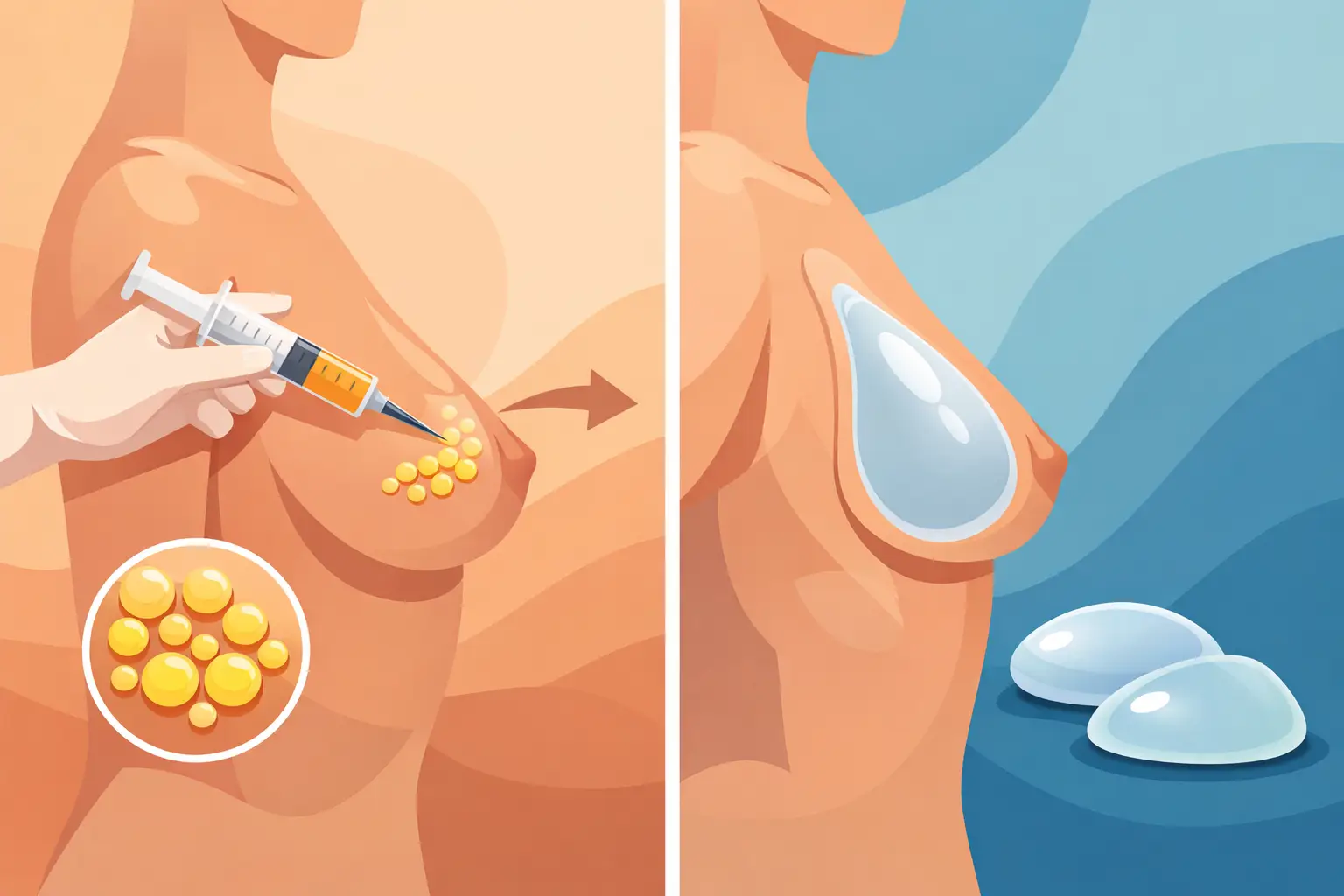
Fat transfer uses your own fat, typically removed from areas like the abdomen, flanks, back, or thighs with liposuction, then purified and strategically placed where volume is needed. Implants use a manufactured device to increase size and projection. Both can create a major change, but they do it in very different ways.
Fat transfer appeals to patients who want a softer, more natural feel and who like the idea of improving two areas at once. You remove stubborn fat from one area and use it to enhance another. Implants appeal to patients who want more predictable volume, stronger upper pole fullness, or a larger size increase than fat alone can usually deliver.
Neither option is automatically better. It depends on your starting point, your tissue quality, and the look you want when you walk into a room fully dressed and when you see yourself in the mirror without clothes on.
When fat transfer makes more sense
Fat transfer is often the better fit for patients who want refinement, not exaggeration. If your goal is a natural breast augmentation or a more balanced, shapely silhouette, fat transfer can deliver a result that looks like you – just better proportioned.
This approach is especially attractive if you already have enough donor fat and you want body contouring at the same time. Liposuction is not just a way to collect fat. In expert hands, it is what creates the foundation for the final shape. A waist can look smaller, hips can look smoother, and the added volume can look more harmonious because the surrounding contour has also been improved.
Fat transfer can also be a strong choice for patients who do not want implants in their body or who want to avoid the maintenance that often comes with implants over time. There is no implant device to monitor, replace, or remove later.
That said, fat transfer has limits. Not all transferred fat survives. Your body will reabsorb some of it, especially in the early healing phase. The final result can look beautifully natural, but it may not deliver the same dramatic jump in size that an implant can. Patients also need enough donor fat to make the procedure worthwhile. Very lean patients may simply not have enough available fat for their goals.
When implants may be the better choice
Implants are often the better option when volume is the priority and precision matters. If you want a more noticeable size increase, stronger cleavage, or a rounder and fuller upper shape, implants offer a level of projection that fat transfer may not reliably match.
This is why implants still appeal to patients who want a bigger change in a single procedure. They can be selected based on size, profile, and shape, which allows for a more controlled outcome. For some body types, especially patients with limited body fat, implants may be the only realistic path to significant enhancement.
Implants do come with trade-offs. They are not lifetime devices. Some patients eventually need revision, replacement, or removal. There are also considerations around implant position, rippling, capsular contracture, and how the implant feels depending on your natural tissue coverage.
For the right patient, these trade-offs are worth it. For the wrong patient, they become a source of frustration later. That is why honest consultation matters more than sales language.
How the result looks and feels
This is where the decision gets personal.
Fat transfer usually wins on softness and subtlety. Because the transferred material is your own tissue, the area tends to feel more natural. The result usually blends well with your existing anatomy, which is why patients who want enhancement without an obvious surgical look often lean this way.
Implants usually win on structure and volume. They can create more defined roundness and more visible fullness, especially in areas where the body does not naturally hold much tissue. If your priority is shape that reads clearly in fitted clothing, swimwear, or low-cut tops, implants may deliver that edge.
There is also a middle ground in some cases. Certain patients may benefit from a combined approach, using implants for foundational volume and fat transfer to soften edges or improve contour. That option is not for everyone, but it can be powerful when a patient wants both noticeable size and a more natural finish.
Recovery and downtime
Recovery depends on the treatment area and the extent of the procedure, but there is a key distinction here.
With fat transfer, you are recovering from both liposuction and the transfer itself. That means soreness, swelling, compression garments, and activity restrictions in the donor areas. If fat is placed in the buttocks, for example, you may also need to avoid direct pressure for a period of time. Recovery can feel more involved because two treatment goals are being addressed at once.
With implants, recovery is more focused on the placement area. Depending on where the implant is placed and how much your tissues are stretched, the first phase can involve tightness, swelling, and limitations on lifting or exercise. Some patients feel better quickly, while others need more time to settle.
Neither route is exactly easy, and anyone promising otherwise is overselling it. The better question is which recovery gives you the kind of result you actually want.
Longevity and maintenance
Fat transfer is appealing because what survives becomes living tissue. Once the transferred fat establishes a blood supply, those cells can remain long term. Weight changes still matter, though. If you lose a significant amount of weight, the result can shrink. If you gain weight, the area may become fuller.
Implants provide durable volume, but they come with a maintenance mindset. They may last many years, but they are not considered permanent in the sense of never needing future attention. Some patients go a long time without issues. Others need revision sooner because of shifting, rupture, or changes in personal preference.
If you want the least device-related upkeep, fat transfer has a clear advantage. If you want the most reliable volume increase regardless of donor fat, implants often take the lead.
Who is a good candidate for each?
A strong candidate for fat transfer usually wants moderate enhancement, has enough donor fat, values a natural look, and understands that some fat will not survive. This patient often likes the idea of sculpting the waist, abdomen, back, or thighs while improving volume somewhere else.
A strong candidate for implants usually wants more size, has limited donor fat, or wants a very specific level of fullness that fat transfer may not reach. This patient tends to prioritize a bigger visual change and accepts that implants may require future monitoring or revision.
The best consultations are not about pushing either option. They are about reading the body correctly. Skin quality, chest width or hip shape, existing volume, lifestyle, and recovery tolerance all matter. At a specialized body contouring practice like True Contour Medical, that analysis is what turns a good result into a result that actually fits the patient.
The biggest mistake patients make
The biggest mistake is choosing based on photos alone.
A result that looks amazing on someone else may not make sense on your frame. The same implant size can look very different from one patient to another. The same amount of transferred fat can create subtle improvement on one body and dramatic change on another. Social media tends to flatten those differences, but surgery does not.
The smarter move is to define your goal in plain language. Do you want a natural improvement or a clear size increase? Do you want to avoid implants if possible? Do you want liposuction benefits at the same time? Are you willing to accept a staged approach if fat transfer needs more than one session? Those answers matter more than any trend.
The best result is not the one that sounds impressive online. It is the one that still feels right a year later, when the swelling is gone, life is busy again, and your shape finally looks like it belongs to you.