
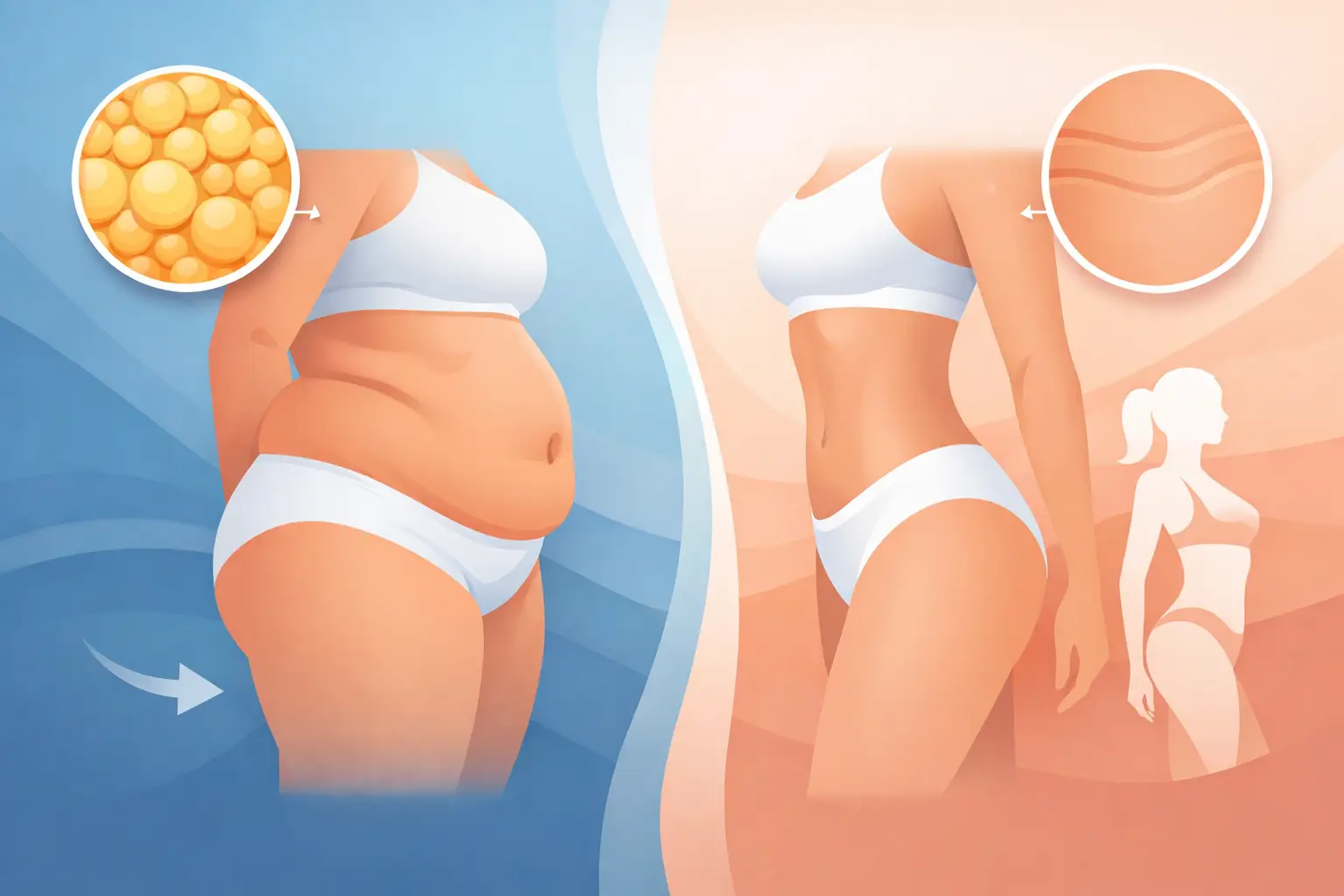
The photos get attention, but the real story behind before and after liposuction results is what happens between those two moments. A sharper waist, smoother flanks, a cleaner jawline, a more athletic chest, a restored post-baby silhouette – those changes do not come from luck. They come from surgical judgment, technique, healing, and a treatment plan built around your body instead of a one-size-fits-all approach.
That matters because liposuction is not just fat removal. It is body contouring. The goal is not to make an area smaller at any cost. The goal is to create proportion, definition, and balance in a way that looks natural in real life, not just in a single photo angle.
What before and after liposuction results really show
A strong result usually reflects more than how much fat was removed. It shows whether the provider respected your anatomy, whether the treated zones blend smoothly into surrounding areas, and whether skin quality was part of the plan. Patients often focus on volume, but contour is what people actually notice.
For example, the best abdominal result is rarely just a flatter stomach. It is a more defined transition from the waist to the abdomen, less fullness through the lower belly, and better harmony between the midsection and hips. The same idea applies to the arms, thighs, back, neck, and chest. A good result looks intentional.
This is why surgical specialization matters. Liposuction done by a practice that treats body contouring as a core focus tends to approach the body differently than a clinic that offers it as one of many unrelated services. Details like feathering, symmetry, fat layer control, and skin response are not small things. They are often the difference between a body that looks refined and one that simply looks reduced.
Why some liposuction results look dramatic and others look subtle
Patients often ask why one person has a dramatic transformation while another sees a more refined change. The answer is usually a mix of starting anatomy, treatment goals, skin quality, and the technology used.
Someone with dense, localized fat and good skin elasticity may see a very striking improvement after contouring the abdomen, flanks, or chest. Another patient may have thinner skin, mild laxity, or more diffuse fullness. In that case, fat removal alone can help, but the final result may depend on pairing liposuction with skin tightening or fat transfer to create the best shape.
There is also the question of how many areas are treated together. Contouring the flanks without addressing the abdomen may improve one zone, but treating both can create a more complete silhouette. The same is true for the back and waist, or the chest and abdomen in male patients. Better planning often creates better visual impact.
The timeline behind before and after liposuction results
One of the biggest mistakes patients make is judging results too early. Liposuction is famous for transformation photos, but healing is a process. You may notice an early change once immediate swelling starts to settle, yet that first improvement is not the final outcome.
In the first few weeks, swelling, firmness, uneven tightness, and fluid retention are common. Clothing may fit differently right away, but the area can still look puffy. Around the one to three month mark, shape usually becomes more defined. By three to six months, patients often see a much clearer result. In some cases, especially when larger areas were treated or skin quality is a concern, refinement continues beyond that.
That means patience is part of the process. The best before and after photos are typically taken after enough healing has occurred for contour lines to settle and swelling to fade. Immediate post-op images do not tell you much. Mature results do.
What affects your final outcome
Technique is a major factor, but it is not the only one. Skin elasticity plays a huge role in how smooth and tight the area looks after fat is removed. Younger patients or those with naturally stronger skin recoil may tighten well on their own. Others benefit from technologies designed to support skin contraction and tissue refinement.
Weight stability matters too. Liposuction removes fat cells from treated areas, but it does not make someone immune to future weight gain. If your weight changes significantly after surgery, body proportions can shift. The strongest long-term results usually happen when patients are already close to a maintainable weight and want to target areas that have not responded to diet and exercise.
Lifestyle also matters, though probably less than marketing sometimes suggests. You do not need to become a fitness influencer to enjoy your result. But hydration, movement, nutrition, and following post-op instructions help support healing. Compression garments, massage when recommended, and avoiding unnecessary strain early on can all influence how smoothly tissues settle.
Are liposuction results permanent?
The removed fat cells are gone for good, which is why liposuction can produce lasting contour changes. But permanent does not mean frozen in time. Your body will still age. Hormones still matter. Skin still changes. Weight can still fluctuate.
A better way to think about permanence is this: liposuction can permanently improve your shape in treated areas, as long as you protect that result with a reasonably stable lifestyle. Most patients are not trying to chase perfection. They want the confidence of looking better in fitted clothes, feeling more proportional, and seeing a body that finally reflects their effort. That is a realistic and very achievable goal when the procedure is planned well.
When technology changes the result
Not all liposuction is performed the same way, and that shows in outcomes. Advanced systems can help with fat emulsification, precision, surgeon control, and skin tightening support. For the right patient, that can mean smoother contouring and better definition in areas where detail matters.
This is especially relevant for patients with mild to moderate skin laxity or those who want more than simple debulking. Energy-assisted options and combined contouring approaches can improve what the after photo actually looks like, not just how many ounces of fat were removed. That is an important distinction. Volume reduction is easy to advertise. Shape improvement is what actually matters.
At a focused body sculpting practice like True Contour Medical, that difference is central to treatment planning. The right tool is selected to match the tissue, the area, and the outcome the patient wants to see.
What realistic before and after liposuction results look like
Realistic does not mean modest. It means credible. Great results can look dramatic without looking artificial. You should expect improvement in shape, definition, and proportion. You should not expect liposuction to replace weight loss, erase severe skin laxity, or create a body type that does not fit your frame.
The strongest candidates are often already doing many things right. They work out, eat fairly well, and still have stubborn areas that do not respond. Mothers may want a cleaner waist and lower abdomen after pregnancy. Men may want a flatter, firmer chest or a more defined midsection. Post-weight-loss patients may want refinement that makes their progress finally visible. In each case, liposuction works best as a precision solution, not a shortcut.
That is also why honest consultations matter. Sometimes liposuction alone is enough. Sometimes the better answer includes skin tightening, fat transfer, or a staged plan. A provider who only promises dramatic photos without discussing limitations is usually selling, not guiding.
How to evaluate liposuction before and after photos
When you look at before and after liposuction results, pay attention to more than size. Look for symmetry, smooth transitions, and whether the body still looks natural from multiple angles. The waist should flow into the hips. The abdomen should not look scooped out. The arms and thighs should appear refined, not overdone. Male chest contouring should look flatter and stronger, not hollow.
It also helps to compare patients with a body type similar to yours. A lean fitness patient and a post-pregnancy patient may both get excellent outcomes, but the goals are different. Your best benchmark is not the most extreme transformation. It is the most relevant one.
Ask when the after photos were taken. Ask what technology was used. Ask whether the patient had additional procedures. These details matter because they give context. A trustworthy result holds up even when you know the full story behind it.
The right expectation leads to the best experience
Patients are happiest with liposuction when they understand both the power and the limits of the procedure. Liposuction can absolutely reshape the body, enhance confidence, and reveal definition that workouts alone could not create. But the best outcomes come from matching the right procedure to the right patient at the right time.
If you are looking at before and after photos because you are ready for change, focus on more than a dramatic reveal. Look for evidence of specialization, thoughtful planning, and results that still look beautiful once the excitement of the photo wears off. The right contour should not just photograph well. It should feel like your body, only better aligned with the way you want to live in it.