
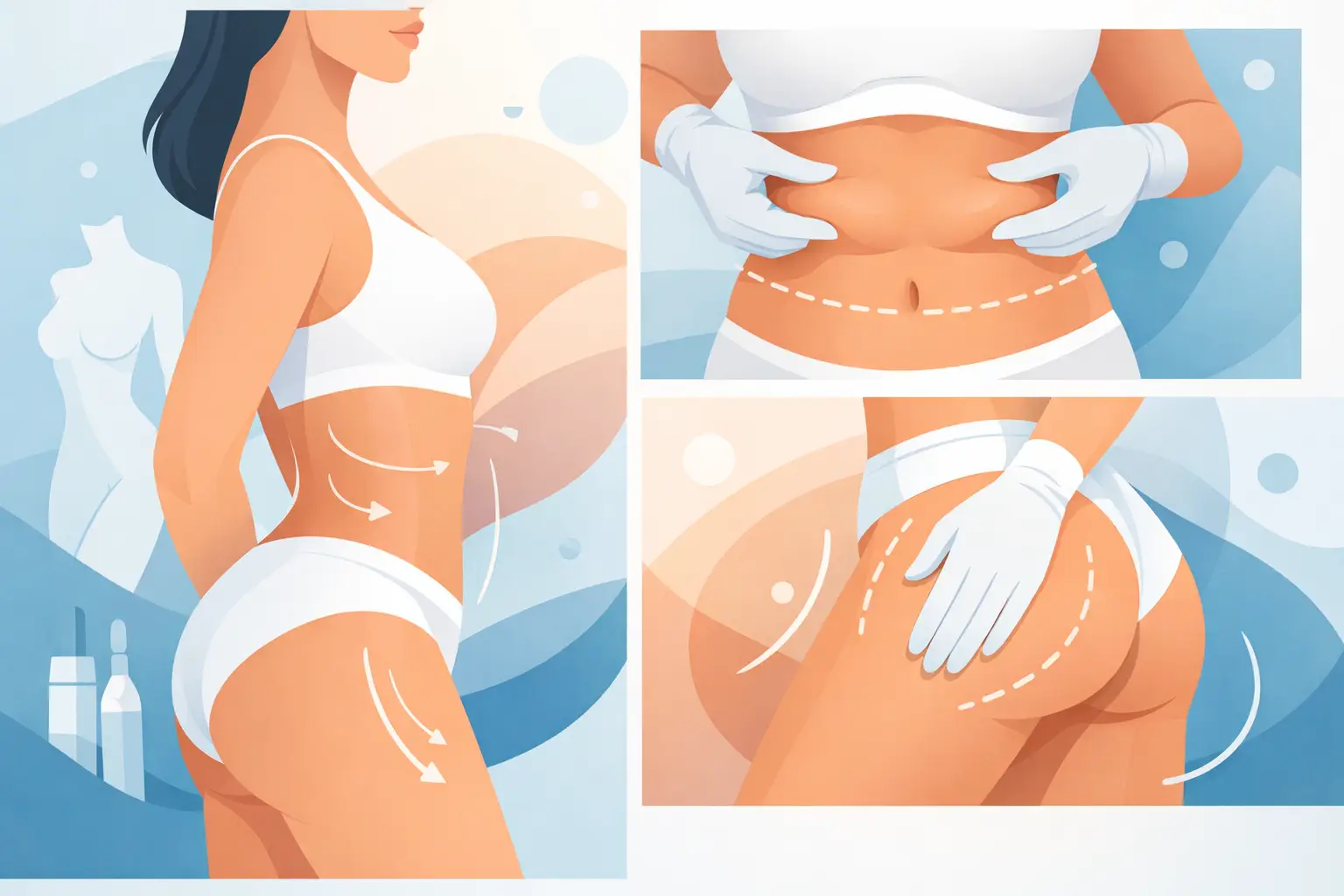
Some areas respond beautifully to clean eating and consistent workouts. Others do not. That is usually the moment people start asking about the best areas for body contouring – not because they want a total reinvention, but because they are tired of putting in effort without seeing proportional change.
The truth is body contouring works best when the goal is specific. The right treatment plan is not about treating everything at once. It is about identifying the zones that throw off your shape, hold stubborn fat, or leave loose skin that keeps your results from looking finished. When that planning is done well, even a targeted procedure can change the way your whole body looks.
What makes an area ideal for body contouring?
The best candidates are usually localized areas where fat is resistant to diet and exercise, where the skin still has some capacity to contract, or where definition has been lost after weight changes, pregnancy, or aging. These are the places where contour matters more than the number on the scale.
That is a critical distinction. Body contouring is not weight-loss treatment. It is shape refinement. Patients often get their best result when they are already close to their goal weight and want more balance, more definition, or a smoother silhouette in clothing and out of it.
There is also a practical side to this. Some areas are easier to sculpt because they have predictable fat pockets. Others require a more advanced approach because the issue is not just fat – it is skin laxity, cellulite, glandular tissue, or poor transitions between body zones. That is why experience matters so much in contouring. Removing fat is only part of the job. Creating a natural-looking shape is the real skill.
Best areas for body contouring in women and men
The most popular treatment areas are popular for a reason. They tend to hold stubborn fullness, affect body proportions, and respond well to expert contouring.
Abdomen
The abdomen is one of the best areas for body contouring because even small improvements here can dramatically sharpen the waistline. Upper abdominal fullness, lower belly fat, and central softness after pregnancy or weight fluctuation are common concerns.
This area often does especially well with liposuction-based contouring because fat pockets are usually well defined. The trade-off is skin quality. If the skin is firm, the result can look crisp and athletic. If there is laxity, separated abdominal muscles, or a significant skin overhang, liposuction alone may not be enough. In those cases, adding skin tightening technology or discussing a different surgical plan may be smarter than chasing an unrealistic result.
Flanks and waist
Love handles are one of the highest-impact contouring zones for both men and women. They can blur the waist, widen the midsection, and make otherwise healthy patients feel blocky or disproportionate.
This is where advanced liposuction can create a visible change fast. Slimming the flanks often makes the stomach look flatter and the hips look more balanced, even if the abdomen is only treated conservatively. For men, this area helps create a more tapered torso. For women, it can restore definition between the ribcage and hips.
Back and bra line
Back rolls and bra bulge are frustrating because they show through fitted clothing and often do not improve much with exercise. These pockets can sit along the upper back, mid-back, or just behind the underarm.
This area is often overlooked, but it can be one of the most satisfying to treat. Smoothing the back creates cleaner lines in dresses, activewear, and swimwear. It also improves the transition into the waist. If a patient wants a more sculpted torso, the back should not be ignored.
Brazos
Upper arm fullness is a common complaint, especially for women who feel lean in other areas but still avoid sleeveless clothing. The challenge here is not just removing fat. It is respecting the skin.
Arms can contour well when there is moderate fat and decent elasticity. If the skin is loose, combining fat reduction with skin tightening may produce a better result than liposuction alone. The goal is not simply to make the arms smaller. It is to make them look firmer and more defined.
Chin and jawline
Facial contouring belongs in this conversation because the chin and jawline can completely change how a person looks in photos and profile. A small amount of excess fat under the chin can make the face appear heavier, older, or less defined.
This is often one of the highest-return treatment areas because the change is so visible. The ideal candidate has localized fullness with enough skin recoil to tighten after fat removal. If the issue is mostly loose skin or muscle banding in the neck, treatment planning has to be more selective.
Muslos
The thighs can be excellent contouring candidates, but they require judgment. Inner thighs, outer thighs, and saddlebag areas each behave differently and affect the lower body in distinct ways.
Outer thigh contouring can reduce width and create a cleaner hip line. Inner thigh treatment can improve rubbing and slim the legs. But aggressive fat removal in the thighs can look unnatural if transitions are not smooth. This is one of those areas where restraint often produces the better aesthetic outcome.
Hips and buttock frame
When patients say they want curves, they are often talking about proportion, not just size. Contouring the hips, lower back, waist, and outer buttock frame can dramatically improve shape. In some cases, fat transfer enhances that result by adding volume where it is missing.
This is why body contouring is not always about subtraction. Strategic fat removal paired with fat transfer can create a stronger waist-to-hip ratio and a more athletic or feminine silhouette, depending on the goal. Done well, it looks balanced rather than obviously treated.
Chest for men
For men, the chest is one of the most important contouring zones. Fullness in this area can come from fat, glandular tissue, or both. That difference matters.
If the issue is true gynecomastia, treatment needs to address more than fat alone. A proper male chest contour should look flat, natural, and masculine without crater deformities or uneven edges. This is a highly specialized area, and it is one where technique shows.
The areas that depend more on skin than fat
Some body zones look bulky, wrinkled, or uneven not because they hold a large volume of fat, but because the skin has lost elasticity. That includes the lower abdomen after pregnancy, the upper arms after weight loss, the neck with age, and areas with cellulite dimpling.
These cases are where a generic approach falls short. Fat reduction may still help, but skin tightening technologies or cellulite-specific treatment may be what actually finishes the result. Patients usually do best when they stop asking, “Where can fat be removed?” and start asking, “What is really causing this area to look the way it does?”
How to choose the right area to treat first
If more than one area bothers you, start with the zone that changes your overall shape the most. For many patients, that is the abdomen and flanks. For others, it is the chest, chin, or arms. The best first treatment area is usually the one that gives the highest visual payoff and makes clothing fit better right away.
There is also value in treating connected areas together. Abdomen without flanks can leave the waist unfinished. Chin without jawline blending can look incomplete. Buttock enhancement without waist contouring often misses the full effect. Great contouring is about transitions, not isolated pockets.
At a specialized practice like True Contour Medical, that planning process is where the result starts. The right provider should tell you not just what can be treated, but what should be treated, what should be left alone, and which combination will look the most natural on your frame.
Not every “problem area” should be treated
This is where honest expertise matters. Some patients are too early in their weight-loss journey. Some need skin removal rather than contouring. Some have excellent shape already and would gain very little from an aggressive procedure.
The best body contouring plans are customized, not overbuilt. More treatment is not always better. Better planning is better.
If you are considering body contouring, focus less on the longest list of areas and more on the few that truly change your silhouette. The best result is the one that looks like your body, only sharper, smoother, and finally in proportion with the effort you have already put in.