
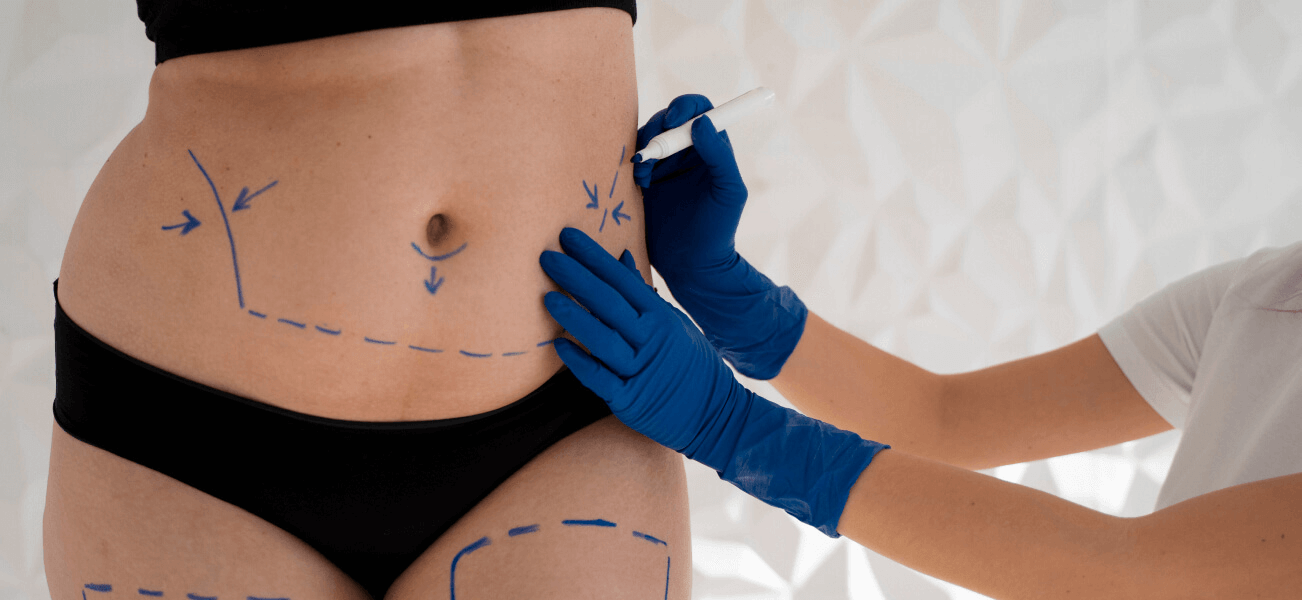
When people start looking into body sculpting, most of the time they’re not thinking about surgery. They’re usually looking for less invasive ways to reduce fat and tone their body.
So they do some research, and realize that body contouring treatments include a wide range of options. Some are non-invasive body sculpting treatments, some are minimally invasive, and yes, surgery can be part of the conversation too.
But the real question is: does body sculpting work? Yes, it does. But results depend on choosing the right treatment for your body, your lifestyle, and your goals.
In this article, I’ll walk you through the different body sculpting and body contouring options available today. From non-surgical treatments to minimally invasive procedures and surgery, the goal is to help you understand what actually makes sense for you.
What is Body Sculpting?
When we talk about body sculpting (or body contouring), we’re talking about cosmetic treatments designed to reshape the body, reduce fat, and tighten skin.
There isn’t one single treatment called body sculpting. It’s an umbrella term that covers a wide range of procedures focused on localized reshaping and toning.
The word sculpting means carving, shaping, and refining. Body contouring works the same way: We use different techniques to shape the body, whether that’s through non-invasive treatments, minimally invasive procedures, or surgery.
What’s most important is that body contouring is always personalized. There’s no one-size-fits-all approach. Treatment plans vary from patient to patient. Some combine fat reduction, skin tightening, and aesthetic rejuvenation. Others focus on just one of these. It all depends on the patient’s goals.
What body sculpting is not for? Weight loss. These treatments, whether surgical or non-invasive, are not designed for losing pounds. Some can reduce localized stubborn fat, which is a very different thing.
What areas can be treated with body sculpting? Common areas include the abdomen, thighs, glutes, legs, chest, and arms. The face and neck are also very popular, especially for patients looking to define the jawline or improve contour.
At the end of the day, body sculpting isn’t really about the treatment. It’s about the person. How do you want to look, and how can we help you get there?
So let’s take a closer look at the full landscape of body sculpting options.
How Body Sculpting Works
Body sculpting can be highly effective, as long as they’re performed and assessed by a professional. We doctors look at a few important factors that help get the best results: habits, medical history, and, most importantly, what the patient wants.
It usually starts with a simple question and answer, like:
Can body sculpting flatten your stomach? Yes, it can help flatten your tummy, but it all depends on the specific treatment. Not all bodies are the same, and we tailor the treatment to your needs.
Here’s a complete overview of body contouring, from surgery to non-invasive options:
Body Contouring Surgery
Let’s start with what most patients want to avoid: going under the knife. Cosmetic surgery can provide dramatic reshaping by removing excess skin and fat. Effective, yes, but also challenging for the patient.
Surgery means larger incisions, general anesthesia, and a longer recovery. These procedures can also treat muscles and skin, often leading to more dramatic changes.
Surgical body contouring can include treatments like:
- Tummy Tuck: Removes excess skin and tightens the abdominal area.
- Arm Lift: Removes sagging skin and fat from the upper arms.
- Thigh Lift: Targets loose skin and fat on the thighs.
- Breast Implants: Saline or silicone, to add volume and reshape the breast area.
- Lower Body Lift: Targets the lower body, including the hips, thighs, and abdomen.
- Face Lift: Tightens facial skin and reduces wrinkles.
- Mommy Makeover: A combination of procedures like tummy tuck, breast lift, and fat grafting.
- Mastectomy Surgery: Removal of breast tissue.
Minimally Invasive Body Sculpting
Minimally invasive body contouring is another effective option for fat reduction and skin tightening, but with less trauma than surgery. These procedures have little to no downtime and don’t require general anesthesia, as the incisions are tiny.
When we say “minimally invasive,” we’re talking about incisions between 2mm to 3mm, placed discreetly to reduce swelling and improve recovery times.
You’ll see, as body sculpting technology evolves, we can perform procedures like liposuction with more definition and less stress for the patient. The basics of many minimally invasive treatments today combine liposuction with techniques like laser, radiofrequency heat, and skin tightening.
These are body sculpting procedures that are minimally invasive:
- Fat Transfer Procedures: These use fat from one area of the body to enhance another. These include BBL (Brazilian Butt Lift) and Natural breast augmentation.
- Liposucción: We use a cannula to extract fat from targeted areas (such as the abdomen, legs, or arms), helping sculpt the body. We often combine multiple areas, such as in Lipo 360 or the Legs Package. Here at True Contour we work with two HD technologies: Power Assisted Liposuction and Vaser Liposuction.
- Liposuction for Male Gynecomastia: Targets excess fat in the male chest area to create a more sculpted look.
- Renuvion: Uses plasma energy to tighten skin and stimulate collagen production, reducing sagging and improving skin texture.
Non‑Invasive Body Sculpting Treatments
Non-invasive treatments don’t require incisions or anesthesia at all. Results are often more subtle, and they often require several sessions.
These treatments help reduce stubborn fat, tighten skin, or improve muscle tone, without the need for recovery time.
Here are some of the most popular non-invasive body contouring treatments:
- CoolSculpting: Also known as fat freezing. The treatment uses extreme cold to destroy fat cells in a targeted area. We explained how it compares to liposuction here.
- Radiofrequency (RF): Uses radio waves to generate heat, targeting and killing fat cells. Popular RF treatments include Emsculpt and True Sculpt.
- High-Intensity Focused Ultrasound (HIFU): Uses focused ultrasound energy to tighten skin and target fat.
- Acoustic Wave Therapy: Uses sound waves to break down fat cells and improve skin texture.
Benefits of Body Sculpting

As you can see, there are many options, and each one can offer different results.
After more than 20 years in practice, here’s what I consider the biggest benefit of body sculpting: it helps bring the body into better balance with the patient’s goals. That can mean looking better, feeling better, or supporting better overall health.
Of course, human anatomy sets the limits. But sculpting is always personalized, no matter the treatment. It’s not just about taking fat from one place or lifting skin in another.
What really defines the result isn’t how much fat we remove. It’s how we shape the body to match how the patient wants to look.
Body sculpting allows us to:
- Remove specific pockets of stubborn fat
- Lift targeted areas to restore a more fit, youthful appearance
- Improve skin quality and rejuvenation
And yes, this can be life-changing for some people. Not in a dramatic way, but in a very real one. A mother who feels comfortable wearing her favorite bikini again after pregnancy. Or a man who can go to the beach shirtless and feel confident doing it.
Body sculpting can also support a healthier lifestyle. We’re very clear with our patients about this: it’s not a magic trick. But these results often give motivation to stick to healthy habits, stay active, and manage stress.
Does Body Sculpting Really Work?
The answer usually becomes clear when you look at before and after photos. That’s where body sculpting results really come to life. Images help patients connect a procedure with realistic outcomes.
Before and afters also open the door to important conversations. Was the treatment non-invasive, minimally invasive, or surgical? Were there incisions? Where? How long was the recovery?
And just as important: How do the results look months or even a year later?
That’s why before and after photos are a standard part of aesthetic medicine. They show what words alone can’t.
When I review cases with patients, I don’t just show them photos. I explain the story behind them. Why that patient came in and what we were trying to achieve with their body sculpting treatment.
Then we look at the after photos. Usually more than one, as we have one taken shortly after the procedure, and another months later, once the body has fully healed and settled.
We go over what was done, whether it was lipo 360, the use of Renuvion, or a combination of treatments. We also talk about aftercare, how swelling was managed, and how patients safely returned to normal activity.
We explain the techniques of course, but with before and afters, we really help patients see how body sculpting can fit into their own reality. That’s how they understand, in a very real way, that body sculpting works.
Who is a Good Candidate?
Body contouring is for people who are already on a healthy track, they stay active, eat reasonably well, and don’t have major underlying medical conditions. But for different reasons, they may still deal with stubborn fat or sagging skin that doesn’t reflect how they feel or how much effort they’ve put in.
Good candidates often include:
- People who’ve lost significant weight and are left with loose skin
- Fit individuals who can’t get rid of specific fat pockets
- Women or men looking to rebalance their chest
- Patients who want to improve skin quality for a more youthful look
- New mothers who want to feel more like themselves again
Many people assume body contouring is only for patients in their forties, fifties, or sixties. Only for seniors? Not necessarily. It’s for any adult who feels it could help.
At True Contour Medical, we’ve treated patients in their twenties who wanted a more defined jawline, patients in their thirties looking for a flatter abdomen, and many others at different stages of life.
In the end, it’s not about age. It’s about goals, expectations, and commitment to taking care of your body.
Choosing the Right Clinic
When people find good care, they’re often willing to go the extra mile. Convenience matters, of course. But when it comes to health, professionalism, safety, and how you’re treated should always come first.
What makes a good body sculpting provider? Experience, solid medical standards, and real human care. Here’s what to look for.
- Check staff’s credentials: Not just the medical director’s or the business owner, but the entire team’s. Who is actually performing or assisting with your treatment? Are they properly trained and qualified? And what is their background: cosmetic surgery, dermatology, or another medical specialty?
- What’s their experience in body contouring? This is about cases, procedures performed. Understanding different body types, different areas, and different techniques. Are they specialized in the treatment that you seek? A good provider assesses your case carefully instead of pushing the one treatment they happen to offer.
- Pay attention to these details during consultation: How long does the initial visit last? This is your time to share your story, medical history, and goals. It shouldn’t feel rushed. You should feel heard, and have everything clearly explained to you.
- Ask about aftercare: Follow-up is part of the treatment, not an afterthought. Will there be check-ins? In-person visits? Phone or online availability if you have questions?
Ready To Start Your Body Sculpting Journey?
At the end of the day, whether it’s non-invasive body sculpting, minimally invasive treatments, or surgery, the important thing to know is this: you have options.
And regardless of what you’ve read here, or anywhere else online, if you’re dealing with stubborn fat or looking in the mirror wishing for firmer skin, it’s always worth having a real conversation about it.In over 20 years of practice, I’ve never performed a procedure I didn’t believe would work for that patient. So if you are ready to talk, you just found the right clinic. Schedule a consultation with us. It’s time we answer this question: What can body contouring do for you?