
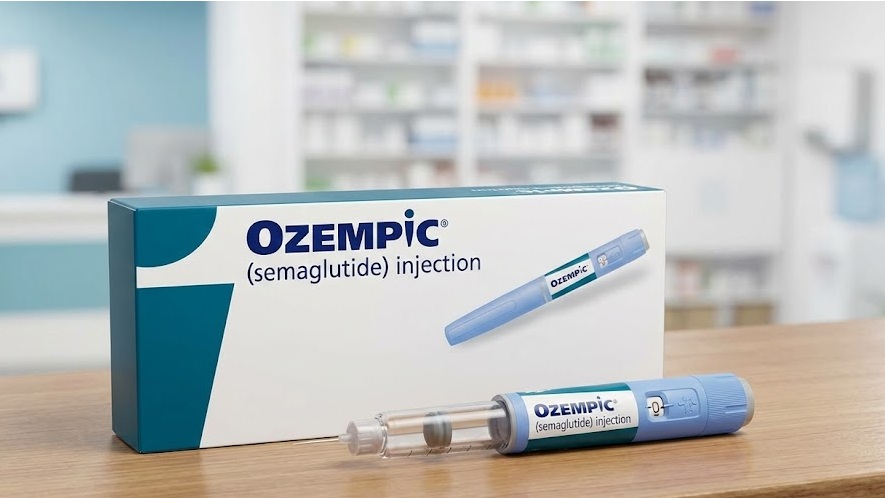
Today’s post is about one of the most discussed medications of the past few years: Ozempic. While this GLP-1 agonist peptide became widely known as a weight loss drug, here we’re taking a step back and focusing on what it was originally developed for: Type 2 diabetes.
Ozempic for Type 2 diabetes helps manage blood sugar by improving insulin response and reducing excess glucose in the bloodstream. It has been FDA approved for diabetes management since 2017, with ongoing research and updated guidance continuing through 2025. And in addition to glucose regulation, many patients also experience improvements in weight management and cardiovascular risk factors, which play an important role in long-term metabolic health.
How does Ozempic actually work for Type 2 diabetes? Let’s break down the key principles behind GLP-1 medications and how they’ve changed the way we approach diabetes management today.
Understanding Type 2 Diabetes
Diabetes is a chronic metabolic disease that affects how your body processes sugar. It’s also very common. According to the latest data, around 40 million Americans live with diabetes, and about 90% of those cases are Type 2 diabetes.
So what is Type 2 diabetes? In simple terms, it’s a condition where blood sugar rises instead of being properly used as fuel by the body. This happens because insulin, the hormone responsible for moving glucose from the bloodstream into the cells, is not working as efficiently as it should.
To understand diabetes, it helps to look briefly at how digestion works:
When you eat, food is broken down in the stomach and then moves into the intestines, where nutrients are absorbed. Carbohydrates and sugars are converted into glucose, which is one of the body’s main sources of energy. But glucose can only enter the cells with the help of insulin. When insulin does not do its job properly, glucose builds up in the blood, and that’s where the problem begins.
There are two main types of diabetes:
- Type 1 diabetes usually develops early in life and occurs when the immune system destroys the cells in the pancreas that produce insulin. People with Type 1 diabetes depend on insulin injections for life.
- Type 2 diabetes is different, as it typically develops later in life and is influenced by genetics, lifestyle, and metabolic health. In Type 2 diabetes, the body either becomes resistant to insulin or the pancreas cannot produce enough of it to meet the body’s needs. Because of this, glucose stays in the bloodstream instead of being absorbed by the cells.
The common symptoms of Type 2 diabetes include frequent urination, increased thirst, low energy, and blurred vision. Catching the condition early is important, because over time, excess glucose in the blood can damage blood vessels and organs, including the heart.
This is one of the reasons physicians often prescribe medications like Ozempic and other GLP-1 agonists. Beyond helping with blood sugar control, these medications have been shown to reduce the risk of serious cardiovascular events such as heart attacks and strokes in people with Type 2 diabetes. In fact, in March 2025, the FDA expanded Ozempic’s approval to include reducing the risk of cardiovascular death and kidney disease in adults with Type 2 diabetes.
Type 2 diabetes is a chronic condition, which means there is no cure. Management is ongoing and often long term. For patients prescribed semaglutide for diabetes, treatment is typically part of a broader, sustained diabetes management plan that should always be guided and monitored by a physician.
What Is Ozempic?
Ozempic is the brand name for semaglutide, a hormone-based medication that belongs to a class of drugs known as GLP-1 receptor agonists. These medications stimulate GLP-1 receptors in the body, which play an important role in regulating blood sugar, insulin response, and appetite.
Because it affects multiple systems in the body, Ozempic and all other diabetes medications should always be prescribed and closely monitored by a physician as part of a structured diabetes management plan.
Semaglutide for diabetes is typically administered as a once-weekly injection. It comes in a prefilled pen with different dosage levels, commonly starting at 0.25 mg and increasing to 0.5 mg or 1 mg, depending on how the patient responds. This dosing is important, because the amounts prescribed for Ozempic for Type 2 diabetes are generally lower than the doses usually prescribed for weight loss.
As we explained in our article about Pros and Cons of Ozempic, what makes GLP-1 agonists effective is that it works on multiple systems at once. It acts on the gut, the pancreas, and the brain. It helps you feel full sooner, slows digestion, and reduces the hunger signals that can make blood sugar control more difficult.
How Ozempic Helps Manage Diabetes
So how does semaglutide help lower blood sugar? Ozempic works in a few key ways. First, it helps the pancreas release more insulin when blood sugar levels are high. At the same time, it reduces the amount of glucose the liver releases into the bloodstream.
Semaglutide also slows down digestion. By delaying how quickly food leaves the stomach, it helps reduce sharp blood sugar spikes after meals and creates a more stable blood sugar curve throughout the day.
So in short, insulin and glucagon are two hormones that work in balance. Insulin helps move glucose into the cells for energy, while glucagon signals the body to release stored glucose when needed. As a GLP-1 agonist, semaglutide helps fine-tune this balance by improving insulin efficiency and reducing excess glucagon activity. The result is better blood sugar control and a more predictable response to food.
Ozempic and Weight Management

One of the reasons Ozempic became so widely known is because it also affects appetite. This “side effect” is actually an important part of how the medication works in the body.
In the intestines, semaglutide slows digestion and increases the feeling of fullness after meals. Because food moves more slowly through the digestive system, many patients feel satisfied sooner and stay full longer. This is why people who are undergoing an Ozempic treatment feel less hungry and eat smaller portions, which can support healthier eating patterns.
Semaglutide also acts on the brain, activating satiety centers in the hypothalamus, the area responsible for signaling when you’ve had enough to eat. This helps quiet constant hunger cues and reduces the urge to overeat, which can be especially helpful for people managing both weight and blood sugar levels.
How much weight a patient may lose with Ozempic? That varies from person to person and always depends on a doctor’s assessment. In general, a healthy and sustainable rate of weight loss is about one to two pounds per week when following a medically supervised plan. Some people try to lose weight more quickly, but rapid weight loss is not recommended and can create additional health risks.
Gradual weight loss, combined with healthier nutrition and regular physical activity, supports long-term diabetes management. These habits not only help with weight, but also contribute to more stable blood sugar control and overall metabolic health.
Safety, Side Effects, and Precautions
Some of the most common side effects of semaglutide are mild and usually improve within the first few weeks after starting treatment. These may include nausea, diarrhea, constipation, acid reflux, or a sensation of throat tightness. For many patients, these effects lessen as the body adjusts to the medication.
As with any medication, there are risks, and that’s why it’s important that any semaglutide treatment is prescribed and monitored by a physician
In fact, there are other serious side effects that while less common, patients should be aware of and watch for:
- Hair thinning can be concerning, but it is almost always temporary. It is typically related to rapid weight loss, physical stress, low protein intake, or vitamin and mineral deficiencies rather than the medication itself. Monitoring nutrition levels usually helps address this.
- Gallbladder issues may occur, especially with rapid weight loss. Symptoms to watch for include pain in the upper right abdomen after meals or nausea that does not improve.
- Pancreatitis is extremely rare, but it is one of the most important conditions to recognize early. Warning signs include severe, persistent, burning abdominal pain that may radiate to the back. This requires immediate medical evaluation.
- Vision changes or rare vision loss have been reported in uncommon cases. Blurred vision, dark spots, or sudden vision loss in one eye should always be treated as a medical emergency.
- Excessive muscle loss can happen if protein intake and resistance training are neglected. Losing lean muscle along with fat can affect metabolism, bone health, and overall body strength. This is preventable, but important to take seriously.
- Sagging skin may also occur with rapid weight loss under Ozempic or another semaglutide treatment. As fat and collagen decrease, areas such as the face, neck, hands, and body may lose support. If that’s your case, you can explore some two of our skin tightening treatments here: Sofwave and Renuvion.
Managing Diabetes With Semaglutide
Almost half of the people living with diabetes are unaware they have it. Because Type 2 diabetes often develops later in life, it can show up gradually, with warning signs that are easy to overlook or dismiss. That’s why we doctors insist so much in early detection, as medications like Ozempic for diabetes can be an option when prescribed appropriately.
When Type 2 diabetes is caught early, treatment can often start at lower dosages. Combined with good nutrition habits and a consistent exercise routine, many patients are able to manage their condition effectively and live a full, healthy life.
If you already know you have Type 2 diabetes, or you’re experiencing symptoms like the ones we discussed here, this may be a good time to talk with your doctor about semaglutide for diabetes and whether it fits into your overall diabetes management plan.
And if you’re also thinking about how weight changes, skin quality, or body contouring fit into your journey, we’re here to help. At True Contour Medical, we focus on thoughtful, personalized care, and help patients create the body they want, within the body they have.Schedule a consultation with us today and let’s talk about how we can support you every step of the way.