
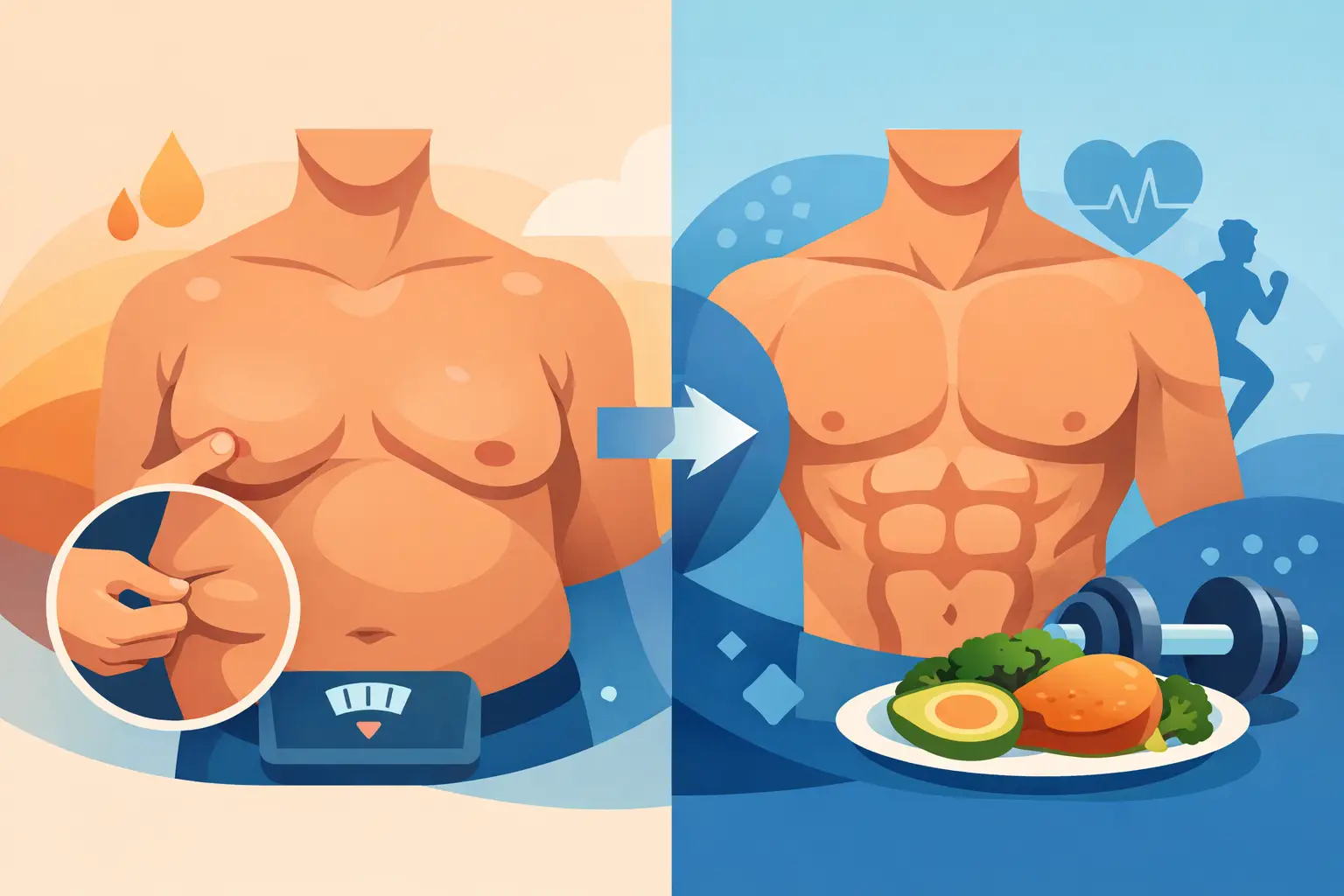
A shirt that fits everywhere except the chest can be more than frustrating. For many men, that fullness does not budge with dieting, extra push-ups, or heavier bench press sessions. If you are trying to figure out how to treat male chest fat, the first step is understanding what is actually causing it. Not every enlarged male chest is the same, and the right treatment depends on whether the issue is fat, glandular tissue, loose skin, or a mix of all three.
That distinction matters because the fix for one problem may do very little for another. Some men are dealing with simple excess fat in the chest area. Others have gynecomastia, which involves firm glandular tissue that exercise cannot remove. Some have lost weight and are left with stretched skin that still makes the chest look puffy or heavy. When you know which category you fall into, the path forward becomes much clearer.
How to treat male chest fat starts with the right diagnosis
Male chest fullness is often grouped into one broad problem, but there are different causes behind the same look. Pseudogynecomastia refers to excess fat in the chest. True gynecomastia includes actual gland tissue, often concentrated behind the nipple and areola. Many men have both, which is why online advice can feel inconsistent.
A soft, diffuse chest may respond to weight loss if body fat is generally high. A firmer, rounder mound under the nipple usually points to gland tissue. If the skin hangs or the chest looks deflated after major weight loss, skin laxity is likely part of the issue. Hormonal shifts, genetics, certain medications, anabolic steroid use, aging, and weight changes can all play a role.
This is where a specialist matters. A provider who treats male chest contouring regularly can tell whether lifestyle changes are likely to help or whether a procedure is the more effective route. Guessing costs time. A focused evaluation saves it.
When lifestyle changes can help
If male chest fat is primarily tied to overall weight gain, improving body composition can make a real difference. That means a calorie deficit, resistance training, steady cardio, and enough time for your body fat percentage to come down. Spot reduction is not real, so endless chest exercises alone will not selectively flatten the area.
Strength training still helps, just not in the way many men expect. Building the chest can improve shape and support a firmer look, while full-body fat loss reduces volume across the torso. Nutrition is usually the bigger lever. Consistent protein intake, better portion control, and limiting alcohol and highly processed foods often move the needle more than adding another chest workout.
The trade-off is patience. Lifestyle changes are the right move for some men, but they are not always the complete answer. If your weight is improving and the chest still looks puffy, dense, or out of proportion, there may be gland tissue or stubborn fat that is not going anywhere on its own.
Signs diet and exercise may not be enough
There are a few patterns that suggest you may need more than a gym-based solution. One is when the rest of your body leans out but your chest still looks full. Another is tenderness or a rubbery lump beneath the nipple. A third is loose skin after weight loss, especially if the nipple sits lower or the chest has a drooping appearance.
In these situations, staying disciplined is still valuable, but discipline alone may not create the contour you want. The question shifts from whether you are working hard enough to whether the tissue itself can be changed without medical treatment.
Non-surgical options for male chest fullness
Men often ask whether there is a non-surgical fix. Sometimes there is, but only in specific cases. If the problem is tied to recent weight gain, a structured fat-loss plan may be enough. If hormones are involved, medical evaluation and treatment through the appropriate physician may be part of the solution.
What non-surgical treatment usually cannot do is remove established gland tissue or significantly tighten stretched chest skin. That is where expectations matter. Devices and topical products are often marketed aggressively, but the male chest is an area where anatomy wins over hype. A realistic plan beats a trendy one every time.
The most effective procedure-based approach
For men who want a flatter, more defined chest and have not seen enough improvement with lifestyle changes, procedure-based treatment is often the most predictable solution. This is especially true when the chest has a combination of excess fat, gland tissue, and skin laxity.
Liposuction can remove unwanted fat and improve the overall contour of the chest. In experienced hands, it can also help create a more athletic transition from the chest into the underarm and upper torso. But liposuction alone is not always enough. If firm glandular tissue is present, direct gland excision may be needed to fully flatten the area. If skin quality is poor, skin tightening technology may also be part of the plan.
That is why customization matters so much. The best chest result is not about applying one treatment to every man. It is about matching the treatment to the tissue.
How advanced body contouring improves results
Modern male chest contouring has moved well beyond basic fat removal. Technologies such as Liposucción VASER and power-assisted liposuction can help target stubborn fat with greater precision. When paired with energy-based skin tightening, they may also improve contraction and contour definition in the right candidate.
For some patients, this means a smoother chest with less trauma and a more sculpted outcome. For others, especially those with moderate to severe gland tissue, excision remains essential. The point is not that every new device replaces surgery. The point is that advanced techniques can refine the result when used appropriately.
At a specialized body contouring practice like True Contour Medical, that level of planning is what separates a generic treatment from a high-level chest transformation. Men are not looking for a vague improvement. They want a chest that looks flatter in fitted shirts, stronger at the gym, and more proportionate from every angle.
What recovery and results usually look like
Recovery depends on the treatment performed. With liposuction-based chest contouring, swelling, soreness, and compression are standard parts of the early healing period. Most men can return to light activity fairly quickly, but workouts and heavy lifting typically need to wait until cleared by their provider.
Final definition takes time. Early improvement can be visible, but swelling can temporarily blur the outcome. Skin tightening and tissue settling continue over weeks and months. That can test your patience, especially if you are expecting an overnight reveal, but chest contouring is a process, not a same-day finish line.
The upside is that results can be long-lasting when the underlying issue is treated correctly. Fat cells removed do not simply grow back in the same way, although major weight gain can still affect the area. If gland tissue is excised, that portion is also addressed more definitively. Maintaining a stable weight helps protect the result.
How to know which treatment is right for you
The best answer to how to treat male chest fat depends on three things: what the chest is made of, how much correction you want, and whether you are looking for gradual improvement or a more dramatic change. A man with mild fullness and higher overall body fat may do well with nutrition and training first. A fit man with persistent puffiness beneath the nipples may be a much better candidate for male gynecomastia treatment. A post-weight-loss patient may need a combination approach that includes fat removal and skin tightening.
This is not about choosing the most aggressive option. It is about choosing the option that actually matches the problem. If your chest has stayed the same despite your best efforts, that is useful information. It means your next step should be a precise evaluation, not more guesswork.
A more confident chest contour is not built on generic advice. It comes from identifying the real cause, using the right treatment, and working with a provider who treats male body sculpting like a specialty, not a side service. If your chest has become the one area you keep trying to hide, the right plan can change more than your profile. It can change how you carry yourself every day.