
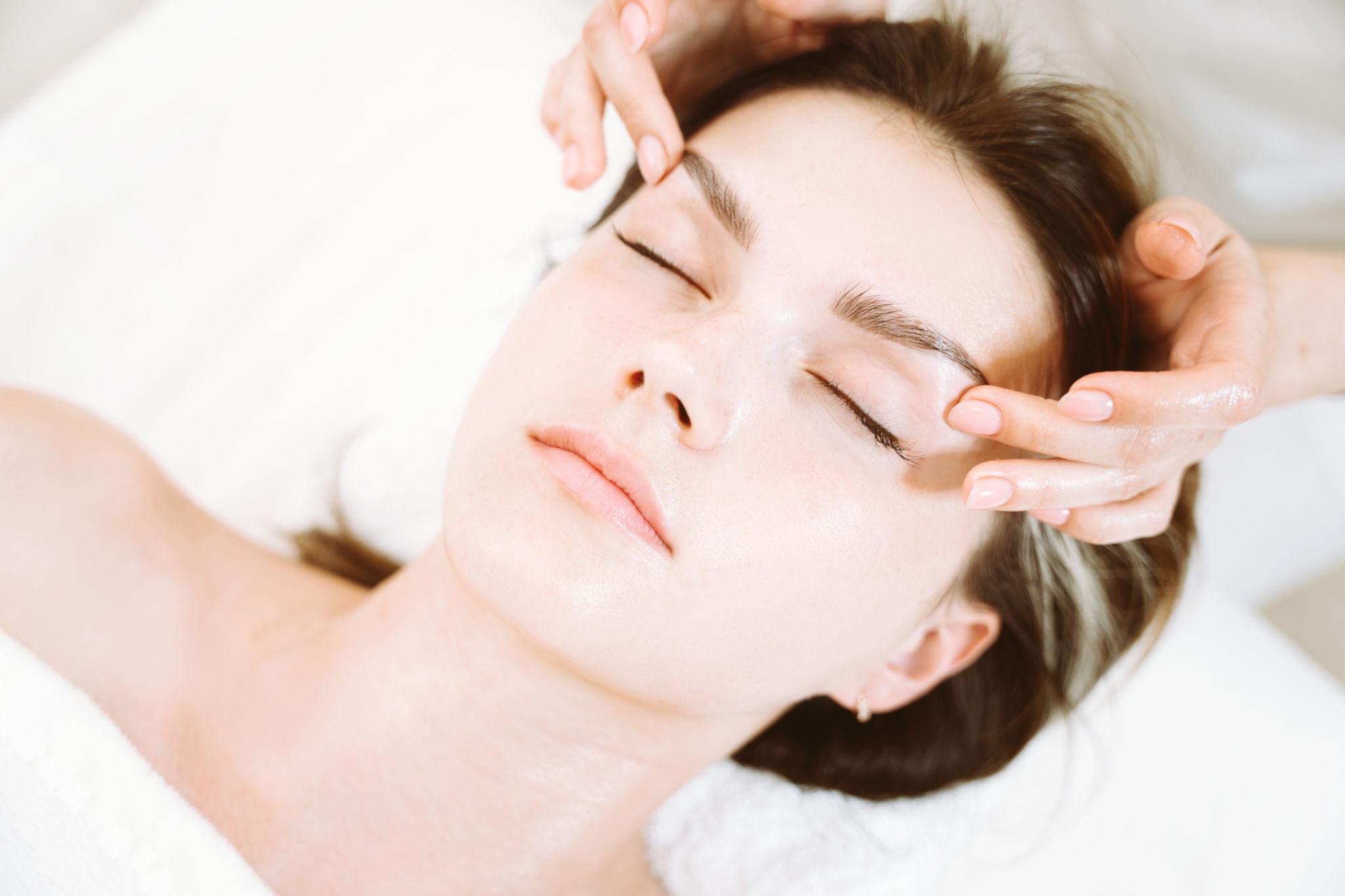
If you’ve been looking into lymphatic drainage massage, you’ve probably seen the claims about detox, boosting energy, and flushing out toxins. Sounds great… but is it actually true?
As a cosmetic surgeon with over 20 years in practice, here’s my take: lymphatic massage has real benefits, but some benefits are overstated.
Lymphatic drainage massage does have real medical benefits. We use it all the time at True Contour, especially after liposuction. It helps reduce swelling, supports healing, and improves how your body manages fluid.
But no massage is going to suddenly boost your energy if your body is already functioning well. So if it’s not for that, then what does a lymphatic drainage massage actually do? Let’s dive in.
What Is the Lymphatic System?
The lymphatic system is part of your immune system. I like to describe it as your body’s built-in waste management system, a network of vessels and nodes that runs throughout your body, similar to your circulatory system. But instead of carrying blood, these vessels carry lymphatic fluid.
That fluid is clear and plays a key role in the lymphatic system function, as it helps remove waste, bacteria, viruses, and other unwanted substances from your tissues.
Then come the lymph nodes. We have around 800 of them throughout the body¡, and their job is to filter that fluid before it gets recirculated.
If you want a simple way to picture it, think of a city’s cleanup system. The vessels are the roads, the fluid is what’s being collected, and the lymph nodes are the processing centers that clean everything up.
This system is essential for reducing swelling, controlling inflammation, and supporting healing. Your immune system handles the defense; the lymphatic system helps clean up. When fluid builds up or doesn’t move properly, that’s when problems like swelling and fluid retention start to show up.
So, let’s take a quick look at the key organs and lymph node groups that keep this system running:
Lymphoid Organs
These are the main organs involved in filtering and supporting your lymphatic system:
- Thymus: Located in the upper chest, plays a role in immune cell development
- Spleen: Found on the left side of the abdomen, helps filter blood and remove old cells
- Tonsils: Help trap bacteria and viruses entering through the mouth and throat
- Mammary glands: Also connected to lymphatic drainage, especially in the chest area
Major Lymph Node Groups
Your lymph nodes are spread throughout the body, but here are the main groups you should know:
Neck and Facial Area
- Cervical nodes: Along the neck and under the jaw
- Submandibular & submental nodes: Drain the face and oral cavity
- Supraclavicular nodes: At the base of the neck, above the collarbone
- Tonsillar nodes: Associated with the throat and tonsils
Chest and Upper Body
- Axillary nodes: In the armpits, drain the arms, chest wall, and breasts
- Mediastinal nodes: Inside the chest, around the airway
- Hilar nodes: Located near the lungs
Abdomen and Lower Body
- Lumbar nodes: Drain abdominal organs
- Pelvic nodes: Found in the pelvic region
- Inguinal nodes: In the groin, drain the legs and lower abdomen
Arms and Legs
- Epitrochlear nodes: Around the inner elbow
- Popliteal nodes: Behind the knee
What Is Lymphatic Drainage Massage?
Now that you understand how extensive the lymphatic system is, the next question is: how do we support it?
One of the most effective ways is manual lymphatic drainage massage. This is a very gentle, superficial technique. We’re not applying deep pressure or working into muscle like in traditional massage.
That’s because the goal is different: With a lymphatic drainage massage, we want to help move lymphatic fluid toward the lymph nodes, where it can be filtered and recirculated. In other words, we’re improving how your body manages fluid and reducing buildup in certain areas.
That’s what makes this technique different from massages like Swedish or soft tissue massage. Those focus on releasing muscle tension. Lymphatic massage focuses on fluid movement, not muscle.
As important as technique is for a proper lymphatic drainage massage, direction also matters a lot. The movements must follow the natural pathways of the lymphatic system, always guiding fluid toward the nodes. That’s why working with a trained professional, as we have here at True Contour, is key. A certified therapist understands where your lymph nodes are, how the vessels flow, and how to stimulate drainage safely.
Benefits of Lymphatic Drainage Massage

At its core, lymphatic drainage massage is about one thing: moving fluid and supporting proper lymphatic system function. And when you do that, here’s what you can expect:
- Reduces swelling
- Minimizes bruising
- Improves circulation
- Supports faster healing
These are the real, proven lymphatic drainage massage benefits, especially when fluid buildup is part of the problem.
Now, let’s clear up a couple of common myths.
A lymphatic massage is often marketed as a full-body detox or an energy booster. The reality? It doesn’t “flush toxins” in the way people describe online, and it’s not going to suddenly increase your energy levels if your body is already functioning well.
That doesn’t mean it doesn’t work. It just means those claims are exaggerated.
For healthy patients, the effects are usually subtle. You might feel lighter or less bloated, but the changes aren’t dramatic.
Now, for patients recovering from surgery, that’s a completely different story.
At True Contour, lymphatic massage after surgery is a key part of recovery, especially after liposuction. When your body is healing, fluid tends to accumulate. That’s where this treatment really makes a difference. It helps reduce swelling, control inflammation, and improve how the tissue heals.
After procedures like VASER or PAL liposuction, we typically recommend a series of sessions, usually starting at 10, and in many cases up to 20 if possible. These treatments can also help prevent fibrosis and support smoother, more even results.
What Happens During a Lymphatic Massage Session?
A typical lymphatic drainage massage session lasts about 30 to 40 minutes. You’ll be lying down, relaxed, in a comfortable setting. So yes, in many ways, it feels similar to what you’d expect from other types of massage.
But the technique is very different, as all movements are light, slow, and precise. Your therapist uses gentle, rhythmic strokes, always following the natural pathways of the lymphatic system to guide fluid toward specific lymph nodes.
In some cases—especially with Decongestive Therapy or post-surgical care—the approach becomes more targeted. Certain areas require extra attention, particularly where swelling or fluid buildup is more noticeable.
At True Contour, we also guide patients through breathing patterns during the session. This helps stimulate lymphatic flow naturally and enhances the overall effect of the treatment.
So what does lymphatic drainage massage feel like? Most patients notice a sense of lightness or release in specific areas, depending on where we focus the massage. Common areas include the neck, abdomen, and extremities.
The key is that everything stays gentle, but intentional. That’s what makes it effective, especially for recovery.
Who Can Benefit From Lymphatic Drainage Massage?
Gentle and relatively simple, lymphatic drainage massage is not for everyone. People with kidney or heart conditions, or those undergoing active cancer treatment, should avoid it.
That said, for patients who have had cancer surgery and had lymph nodes removed, this type of massage can actually be beneficial as part of their care.
Lymphatic drainage massage is also helpful for certain chronic swelling conditions, like edema, and of course as part of post-procedure care, especially during recovery after liposuction. As research continues to develop, the evidence is becoming clearer: it has a well-earned place in recovery therapy.
In our practice, we also recommend lymphatic massage for conditions like lipedema, as part of a more comprehensive treatment plan.
So it all comes down to this: lymphatic drainage massage is an effective tool for specific situations. But it’s not something that works the same way for everyone.
The best thing to do? Get expert advice.
Connect With Our Lymphatic Massage Therapists
At True Contour, we use lymphatic massage as part of our post-op recovery protocols. With over 2,000 cosmetic procedures performed, we’ve seen how this treatment helps patients reduce swelling, heal faster, and feel more comfortable during recovery.Is lymphatic massage what you need? Let’s schedule a consultation and find out if it’s right for you.